

ב"ה
Yom Kippur 5765 - September 24, 2004
Story
My Father’s Machzor
In 1951 my father, Rabbi Moshe Greenberg, was twenty years old and a prisoner in a Soviet labor camp in Siberia. That Yom Kippur, he faithfully prayed all the day’s prayers. All, that is, except for Kol Nidrei.
In 1951 my father, Rabbi Moshe Greenberg, was twenty years old and a prisoner in a Soviet labor camp in Siberia. That Yom Kippur, he faithfully prayed all the day’s prayers. All, that is, except for Kol Nidrei.

Whose Prayer Is It, Anyway?
My friend expressed his deep frustration at his inability to find a meaningful way to express himself to G-d. He had looked into different "brands" of Judaism, yet there seemed to be no "perfect match," none that fit his spiritual needs
My friend expressed his deep frustration at his inability to find a meaningful way to express himself to G-d. He had looked into different "brands" of Judaism, yet there seemed to be no "perfect match," none that fit his spiritual needs
Three Mistranslations
Teshuvah, tefillah and tzedakah commonly translate as "repentance," "prayer" and "charity." But these English words fail to express the full significance of these concepts, and even convey the very opposite of their true import
Teshuvah, tefillah and tzedakah commonly translate as "repentance," "prayer" and "charity." But these English words fail to express the full significance of these concepts, and even convey the very opposite of their true import
Living
Mikveh
The most important institution of Jewish life, next to the home, is the mikveh and its cycle of union and separation between husband and wife. Because precious things only stay beautiful when you follow the manufacturer's instructions...
The most important institution of Jewish life, next to the home, is the mikveh and its cycle of union and separation between husband and wife. Because precious things only stay beautiful when you follow the manufacturer's instructions...
Once A Year: A Yom Kippur Anthology
It is a courtroom decked in white, a fast day and a festival, the holiest day of the year but also a time that is beyond holiness. If we can't explain Yom Kippur, let's talk about it...
It is a courtroom decked in white, a fast day and a festival, the holiest day of the year but also a time that is beyond holiness. If we can't explain Yom Kippur, let's talk about it...
Parshah
Yom Kippur Torah Readings in a Nutshell
The "annual singularity" (achat bashanah) brought together the holiest day of the year, the loftiest soul on earth, and the holiest place in the universe
The "annual singularity" (achat bashanah) brought together the holiest day of the year, the loftiest soul on earth, and the holiest place in the universe
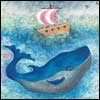
The Book of Jonah
And he said to them; "Take me up, and cast me into the sea, so shall the sea be calm for you; for I know that for my sake this great tempest is upon you..."
And he said to them; "Take me up, and cast me into the sea, so shall the sea be calm for you; for I know that for my sake this great tempest is upon you..."
"Teshuvah out of love" [arises] from the depths of the heart, with great love, desire, and a craving soul to cleave to G-d; the soul thirsts for G-d like a parched and barren soil, because, up until now, it was in a barren wilderness and in the shadow of death... very distant from the face of G-d... It is regarding repentance out of such great love that it has been said that premeditated sins become, for him, like virtues, since through them he attained this great love...
— Tanya, chapter 7
Print Magazine
To one whose self is his body, death of the body is death of the self. But for one whose self is his love, awe and faith, there is no death, only a passing. From a state of confinement in the body, he makes the passage to liberation. He continues to work within this world, and even more so than before.
The Talmud says th...


New on ChabadofBinghamton.com